

Many dog owners wonder whether puppy training classes are really necessary, especially during the first few months after bringing a puppy home. The truth is that early training is one of the most important investments you can make in your dog’s future.
The goal for most families is to raise a well-behaved, well-mannered companion who can be part of everyday life for the next 12–15 years. Puppy obedience classes help build the foundation that makes this possible.
When you bring home an eight-week-old puppy, they are developmentally similar to a human toddler. By the time they reach 8–12 months of age, they are entering the equivalent of adolescence. In just six to eight months, a puppy experiences a developmental period similar to the first 12–14 years of a human child’s life.
That means the window for teaching good habits and behaviour is surprisingly short.

When Should You Start Puppy Obedience Training?
Puppies can begin learning basic training skills as early as 8 weeks of age. Early puppy obedience classes help establish good habits, build confidence, and teach owners how to communicate clearly with their dog.
Starting training during these early developmental stages helps puppies grow into well-mannered and reliable adult dogs.
Why Should You Enroll Your Puppy in an Obedience Class?
Many people assume that training should begin once a puppy is older, but in reality training should begin as soon as your puppy comes home.
At around eight weeks of age, puppies are highly receptive to learning. This early stage is an ideal time to introduce:
Basic routines and structure
Positive social experiences
Simple training skills
Clear communication between owner and dog
This is also when many families choose to enroll in a structured puppy training program like the Clever Pups Program, which helps guide both the puppy and the owner through the early stages of development.
Just as children begin learning life skills at a young age, puppies benefit from early guidance that helps them understand how to live successfully in a human world.
Understanding Puppy Development Stages
Puppies grow and mature quickly. Understanding these stages can help owners see why early training is so important.
8 Weeks Old: The Toddler Stage
At eight weeks, your puppy is just beginning to explore the world. This is the perfect time to introduce structure, routine, and simple training exercises.
Early positive experiences during this stage help shape how your puppy views new environments, people, and situations.
12 Weeks Old: Early Learning Stage
By three months of age, puppies become more aware of their surroundings. They should be learning household routines, developing good bathroom habits, and beginning to respond to basic guidance from their owners.
This is also an important stage for safe socialization.
4 Months Old: Building Skills
At four months old, puppies can begin learning foundational obedience skills such as:
Sit
Down
Come when called
Walking on a loose leash
These skills help create the structure needed for good behaviour both at home and in public.
6 Months Old: Practicing Self-Control
Around six months, puppies continue practicing their basic skills while developing emotional regulation and self-control.
Consistent training during this stage helps reinforce the habits they have already begun learning.
8 Months and Beyond: Adolescence
Around eight months, many dogs enter adolescence. Like human teenagers, they experience hormonal changes and may begin testing boundaries.
If the groundwork has been laid early, your dog will already understand expectations, routines, and basic commands. This makes navigating adolescence much easier for both dogs and their owners.
Why Waiting to Train Your Puppy Can Create Challenges
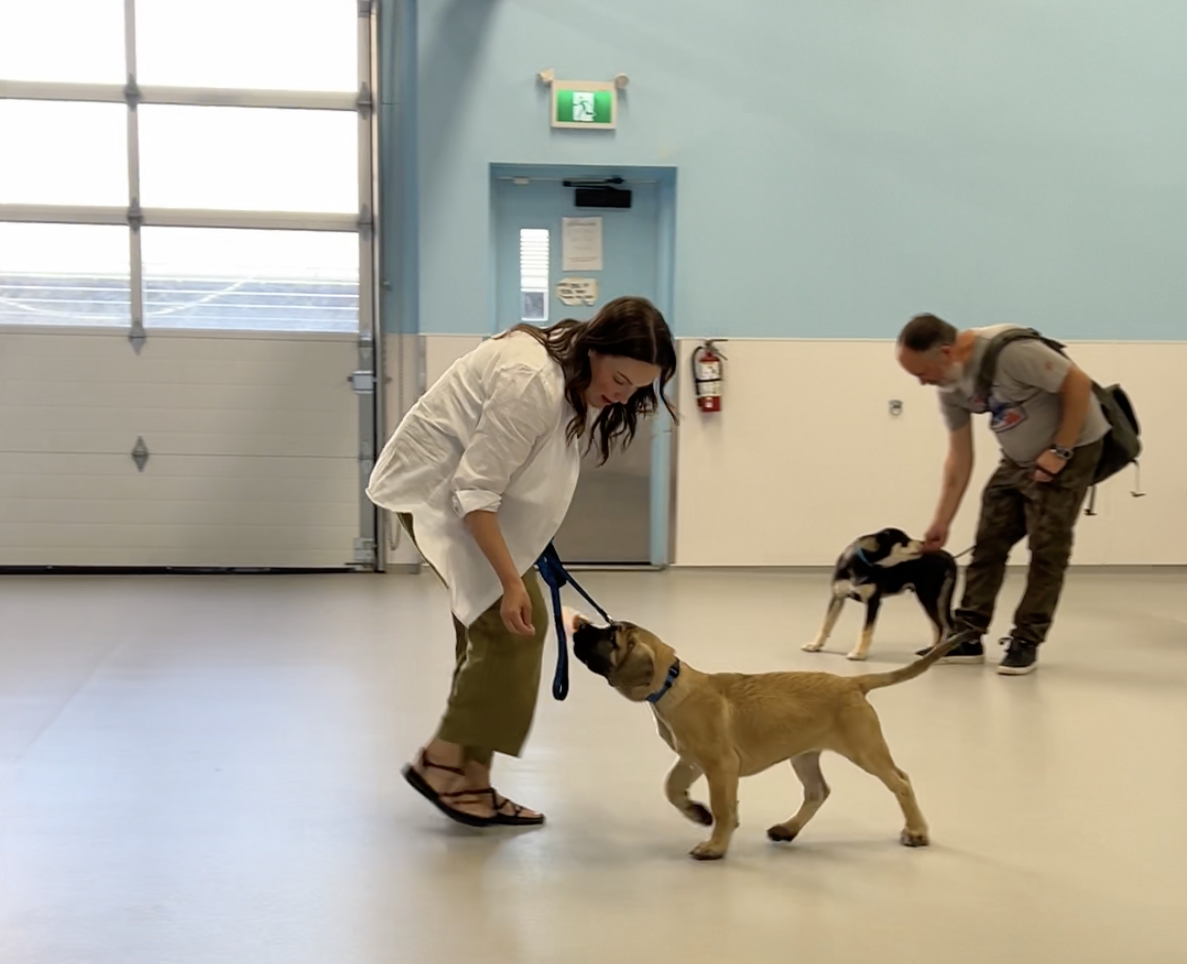
Some dog owners believe they should wait until their puppy is older before beginning training. In reality, delaying training often makes things more difficult.
Without early guidance, puppies begin developing habits on their own. Many of these behaviours—such as jumping, pulling on leash, or ignoring cues—can become ingrained over time.
Training early allows owners to guide their puppy’s development from the beginning rather than trying to correct unwanted behaviours later.
What Do Puppies Learn in Obedience Classes?
A well-structured puppy training class helps both the puppy and the owner learn essential skills.
Puppy obedience classes typically focus on:
Foundational obedience skills
Confidence building
Positive social experiences
Understanding canine behavior
Developing clear communication between dog and owner
At Clever Canines, training is built around the belief that training should strengthen the relationship between the dog and their owner while preparing dogs for real-life situations.
You can learn more about this approach on our training philosophy page.
The Long-Term Benefits of Early Puppy Training
Starting training early provides benefits that last throughout your dog’s life.
Puppies who receive structured training are more likely to develop:
Better self-control
Stronger listening skills
Confidence in new environments
Positive social behavior
Reliable obedience skills
These qualities make it much easier to include your dog in everyday life, whether that means walking through busy parks, visiting patios, traveling, or simply enjoying time together as a family.
Expert Insight From Our Trainers
At Clever Canines, we have worked with thousands of dogs and owners in Calgary since opening in 2005. One of the most consistent patterns we see is that puppies who begin structured training early tend to develop stronger confidence, better self-control, and more reliable behaviour as adults.
Early training helps owners guide their puppy’s development during the most important learning stages, setting both the dog and the family up for long-term success.
Frequently Asked Questions About Puppy Training
When should a puppy start obedience training?
Most puppies can begin learning basic training skills as early as 8 weeks of age.
Are puppy training classes safe before full vaccinations?
Many professional training programs provide controlled environments where puppies can safely begin socialization and training while completing their vaccination schedule.
What are the benefits of puppy obedience classes?
Puppy classes help build essential skills early while teaching owners how to communicate clearly and effectively with their dog.
How long does puppy training take?
Training is an ongoing process. Most puppy programs introduce foundational skills that owners continue practicing as their dog grows and matures.
Start Your Puppy Off on the Right Path
Training should begin as soon as your puppy joins your family and continue as they grow.
With the right guidance and structure in place, your puppy can develop into a calm, confident, and respectful companion who is welcome wherever life takes you.
Ready to Start Training Your Puppy?
Early training helps build the foundation for a confident, well-mannered dog. If you're starting your journey with a new puppy, a structured training program can provide guidance during these important early months.
For families in Calgary, structured programs can help guide both the puppy and the owner through these critical early stages of development.
Our Clever Pups Program is designed specifically for young puppies and their owners. The program focuses on early development, confidence building, and foundational skills that help puppies grow into reliable companions.